Design and Preparation:
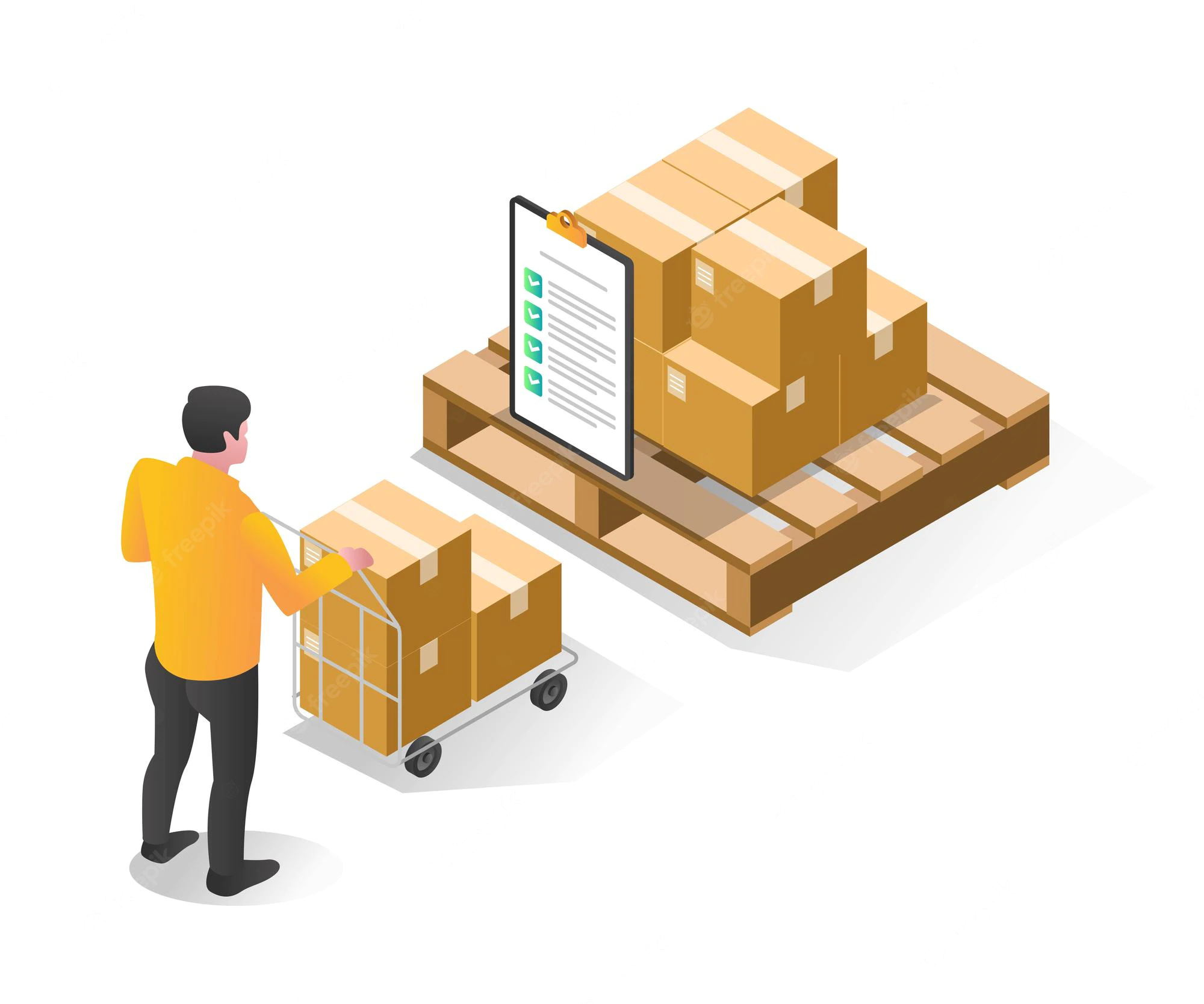
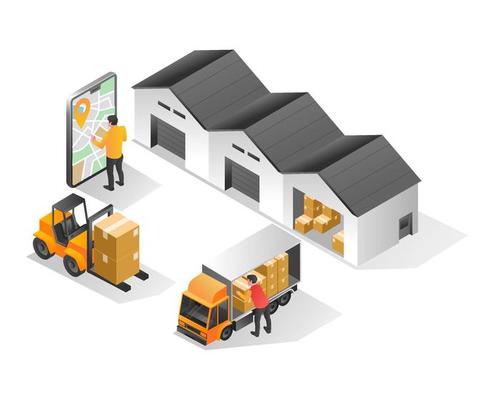
Warehouse management includes six core processes. Each process influences the efficiency of the next, so every step must be optimized for the warehouse operation to run like:
1) Receiving. Check in and log incoming items. Verify that you’re receiving the right quantity, in the right condition, at the right time.
2) Put-away. Move items from the receiving dock to their correct storage locations.
3) Storage. Safely store and logically arrange inventory to enable fast and accurate picking.
4) Picking. Collect the items needed to fulfil sales orders.
5) Packing. Prepare the picked items for shipment. They must be safely packed into the correct packaging with an accurate packing slip.
6) Shipping. Send out the finalized sales orders, ensuring that they are on the right vehicle, at the right time, with the correct documentation, so customers receive their orders on time.
Support and benefits realization:
A data warehouse can be built using three approaches
1) A top-down approach,
2) A bottom-up approach,
The top-down approach starts with the complete design and planning. It is helpful in cases where the technology is sophisticated and familiar, and where the business issues that must be solved are clear and well-understood.
The bottom-up approach starts with experiments and prototypes. This is beneficial in the beginning phase of business modelling and technology development. It enables an organisation to move forward at considerably less expense and to compute the advantage of the technology before creating significant commitments.
In the combined approach, an organisation can exploit the planned and strategic features of the top-down approach while retaining the rapid execution and opportunistic software of the bottom-up approach.
The warehouse design process consists of the following steps
• It can choose a business process to model, e.g., orders, invoices, shipments, inventory, account administration, sales, and the general ledger.
• If the business process is organisational and involves multiple, complex object collections, a data warehouse model should be followed.
• But, if the process is departmental and focuses on the analysis of one type of business process, a data mart model must be selected.
Benefits
Top benefits of a warehouse management system
Using a WMS can help optimise operations in several ways that can ultimately strengthen businesses. Some of the top benefits include being able to:
1) Manage inventory in real-time
A WMS often has real-time inventory tracking capabilities, which helps employees know what’s in stock and where it’s located. That way, a company is less likely to be caught off guard when an item goes out of stock. Ideally, staff can see that a new order needs to be placed and do so in time to replenish inventory.
2) Improve order accuracy
A WMS can also help improve order accuracy. By knowing what’s in stock in real-time, you can be less likely to make errors, like selling an item online that’s no longer available. A WMS that helps with fulfilment can also reduce the risk of errors like getting orders mixed up, where the items for one customer go into a package that gets sent to another customer.
3) Optimise inventory levels
Knowing what your inventory looks like can also help you optimise inventory levels. Not only can you replenish items when needed, but you can identify issues like overstocking. That could then allow you to take corrective action, like reducing the volume of your next order, or perhaps you can shift inventory between facilities to maintain optimal levels.